

Isn't it remarkable how we can breathe new life into old materials through eco-friendly woodworking?
We're passionate about transforming salvaged wood into functional and decorative pieces, merging sustainability with creativity.
From rustic wooden coasters to vintage benches, our guide covers a variety of projects that not only enhance your space but also contribute to environmental conservation.
We'll share essential tips on selecting materials, ensuring safety, and applying finishing techniques that preserve the charm of salvaged wood.
If you're curious about how to start on these green DIY endeavors, we've got the insights to set you on a rewarding path.
Key Takeaways
- Reclaimed materials reduce waste and support environmental conservation in woodworking projects.
- Selecting quality reclaimed wood adds unique character and history to DIY creations.
- Essential tools, safety gear, and a clean workspace are crucial for effective eco-friendly woodworking.
- Applying proper finishing and preservation techniques ensures the longevity and beauty of reclaimed wood projects.
Selecting Reclaimed Materials
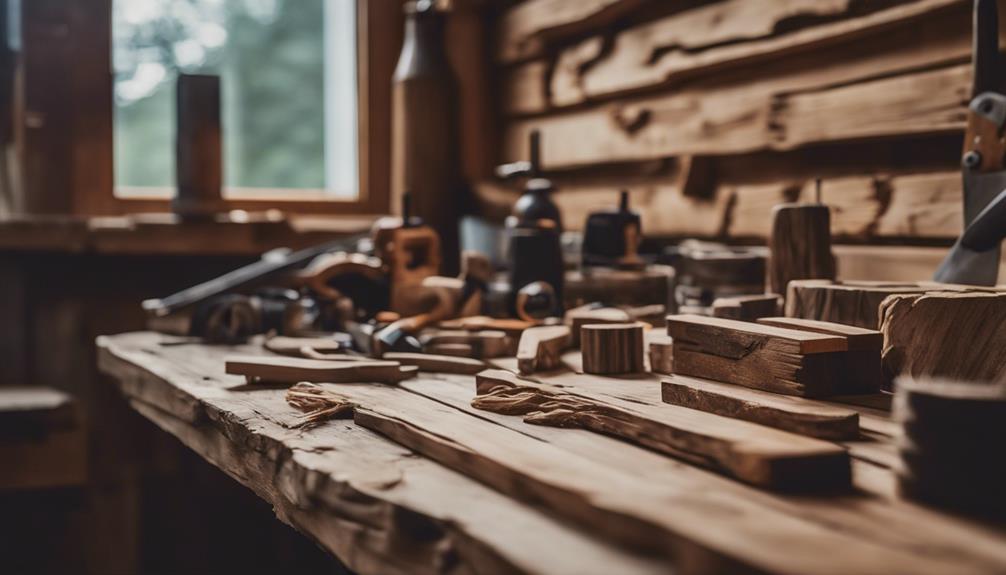
Understanding the importance of selecting the right reclaimed materials is the first step towards crafting eco-friendly woodworking projects. It may be tempting to jump straight into the creative process, but taking the time to choose the appropriate materials can truly make a difference. This isn't just about finding any old piece of wood; it's about seeking out quality, history, and sustainability.
First and foremost, considering the source is crucial. Preferring wood that has been salvaged from old buildings, barns, or furniture is key, as it often possesses a unique character that new wood can't replicate. Additionally, paying attention to the condition of the wood is essential. Avoiding pieces that are too warped or infested with pests is important, as they'll not hold up well in our projects.
Moving on, the type of wood is another factor to take into account. Hardwoods like oak and maple are known for their durability and beautiful grain, making them ideal for pieces that will endure heavy use. On the other hand, softwoods can be a suitable option for decorative items, offering a different aesthetic.
Tools and Safety Tips
Having selected the right materials, it's vital we now focus on the essential tools and safety tips for eco-friendly woodworking projects. First off, we need a solid set of hand tools, including saws, chisels, hammers, and screwdrivers. These tools don't require electricity, making them more sustainable and perfect for our eco-friendly approach.
We also can't overlook the importance of personal protective equipment (PPE). Safety glasses or goggles are a must to protect our eyes from flying debris. Likewise, we should always wear dust masks or respirators, especially when sanding, to avoid inhaling fine dust particles. Hearing protection is crucial too, particularly if we're using power tools, which can be loud and potentially damaging over time.
Additionally, it's important we keep our workspace clean and organized. A clutter-free environment not only makes our work more efficient but also significantly reduces the risk of accidents. Let's ensure all tools are stored safely when not in use and that spills or debris are cleaned up promptly.
Rustic Wooden Coasters
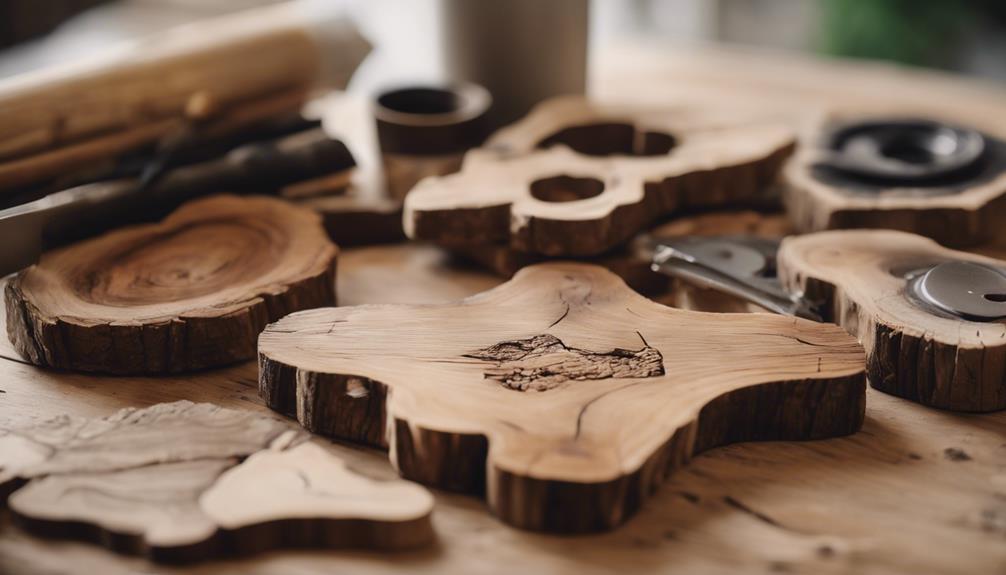
Now that we're equipped with the right tools and safety knowledge, let's start our eco-friendly woodworking project by making rustic wooden coasters. These coasters are not only practical but also add a charming, rustic touch to any home decor. We'll be using reclaimed wood for this project, which not only reduces waste but also gives our coasters a unique, weathered look that's full of character.
Here's a quick guide to get us started:
| Step | Description |
|---|---|
| 1 | Select Your Wood: Look for reclaimed wood with a bit of thickness to it. Old pallets or barn wood are perfect for this. |
| 2 | Cut to Size: Using a saw, cut the wood into small squares or circles, depending on your preference. A standard size is about 3.5 inches across. |
| 3 | Sand Edges: Smooth out all the edges with sandpaper to prevent splinters. |
| 4 | Seal the Wood: Apply a clear sealant to make them water-resistant and to bring out the natural beauty of the wood. |
Upcycled Pallet Planters
Moving on to our next project, let's transform old pallets into stylish upcycled planters.
We've all seen those old wooden pallets lying around, perhaps in the backyard or at local warehouses. Instead of letting them go to waste, we're turning them into beautiful, eco-friendly planters. It's a simple project that adds a touch of rustic charm to any space, indoors or out.
First, we'll need to source some pallets. We always make sure they're safe to use, avoiding those treated with harmful chemicals. Once we've got our pallets, we'll break them down, removing nails and sanding the wood to prevent splinters.
Next, we'll cut the pallet wood into the desired sizes for our planters. We love the versatility here; we can make them as large or as small as we want. After cutting, it's time to assemble. We use nails and a hammer to bring our planters to shape, ensuring they're sturdy and ready for soil and plants.
Reclaimed Wood Shelving
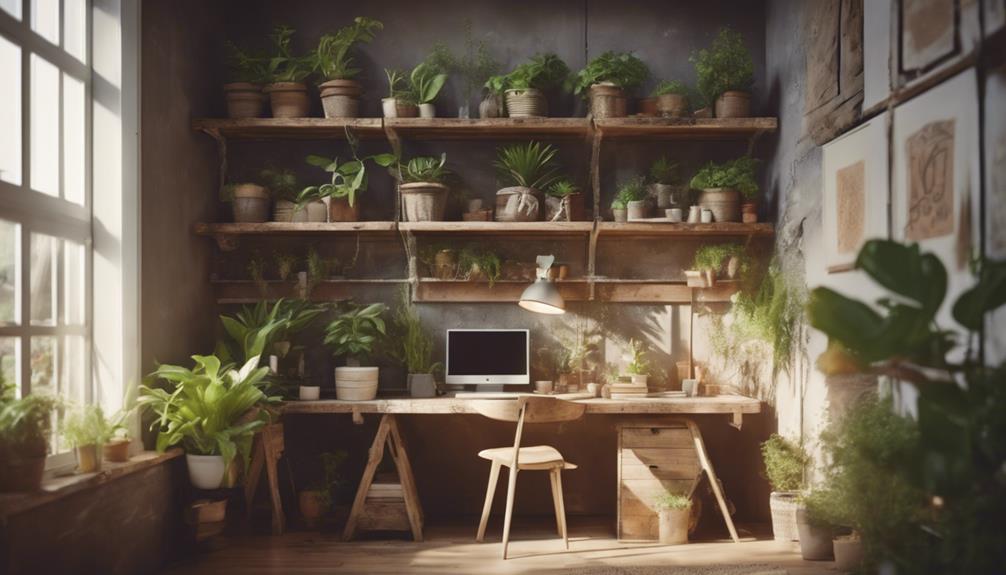
Our next project involves transforming reclaimed wood into stylish, functional shelving units that breathe new life into any room. We're diving into the process of selecting, preparing, and assembling reclaimed wood to create shelving that's not only eco-friendly but also a unique piece of decor.
First, we hunt for reclaimed wood with character—old barn wood, discarded pallets, or even scraps from previous projects. It's important to treat and clean the wood properly, removing any nails or splinters, to make sure it's safe to work with.
We then measure and cut the wood according to the desired size of our shelves. It's a process that requires precision, but don't worry if the cuts aren't perfectly straight—slight imperfections add to the rustic charm.
Next, we assemble the shelves. Depending on the look we're going for, we might use metal brackets for a modern touch or wooden supports for a more traditional feel.
Handmade Picture Frames
Shifting our focus, we're diving into crafting eco-friendly, handmade picture frames, turning ordinary spaces into galleries of personal expression. This project not only breathes new life into reclaimed materials but also adds a personalized touch to our décor. We're all about sustainability and creativity, and what better way to showcase that than through unique picture frames?
Here's why we love this project:
- Personalization: We can tailor each frame to the specific aesthetic or theme of the room, making our spaces truly ours.
- Sustainability: Using reclaimed wood or metal reduces waste and gives old materials a new purpose.
- Cost-Effective: We save money by repurposing materials that might otherwise be discarded.
- Skill Building: Each frame is an opportunity to improve our woodworking and crafting skills.
- Gift Potential: Handmade frames make thoughtful, personalized gifts that friends and family cherish.
We're finding that the process of selecting, cutting, and assembling materials not only allows us to create something beautiful but also imparts a sense of accomplishment and connection to the environment. Each frame tells a story, not just of the picture it holds, but of the journey of the materials from which it was crafted.
Vintage Wooden Bench
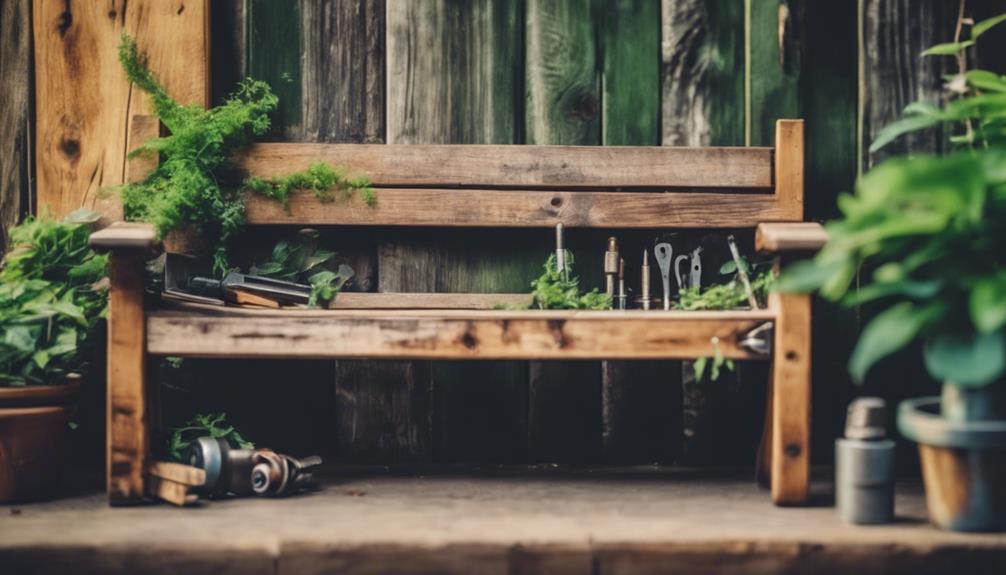
Next, we're diving into the world of vintage wooden benches, transforming forgotten pieces into functional works of art. We've found that old benches, often overlooked, are brimming with potential. They're not just seating options but are pieces of history that can add character to any space.
Our first step involves hunting for these hidden gems. We frequent yard sales, flea markets, and even roadside pickups, searching for benches that others might deem too worn or outdated. It's in these neglected pieces that we see beauty waiting to be revealed.
Once we've secured a bench, we assess its condition. We're careful to preserve its original charm while making necessary repairs. Sanding down rough edges and tightening loose screws are part of the process. We also treat the wood, ensuring it's protected from the elements, especially if the bench will grace an outdoor space.
Choosing the finish is where we really let our creativity shine. We often opt for natural stains that highlight the wood's grain, but we're not afraid to use bold colors that make a statement. It's all about giving these vintage benches a second life, making them not only eco-friendly but also a reflection of personal style.
Eco-Friendly Birdhouses
Moving from vintage wooden benches, we now explore how creating eco-friendly birdhouses offers a sustainable way to support local wildlife. It's a beautiful bridge between our love for crafting and the need to preserve the environment. These little shelters not only provide a safe haven for birds but also teach us the importance of recycling and reusing materials.
When we immerse ourselves making birdhouses from reclaimed wood, we're hitting two birds with one stone – no pun intended. We're reducing waste and giving birds a place to call home. Here's how we make the process enjoyable and relatable:
- Find inspiration: We look for unique designs that can accommodate different bird species. It's all about creativity and functionality.
- Select the right materials: Reclaimed wood is our go-to, ensuring it's safe and free from chemicals.
- Customize to your heart's content: We add personal touches like paint or decorations, always using eco-friendly products.
- Consider the location: We think about where to place our birdhouses to best serve our feathered friends.
- Engage the community: We often involve family, friends, or local groups to spread the eco-friendly message further.
Repurposed Wood Tables
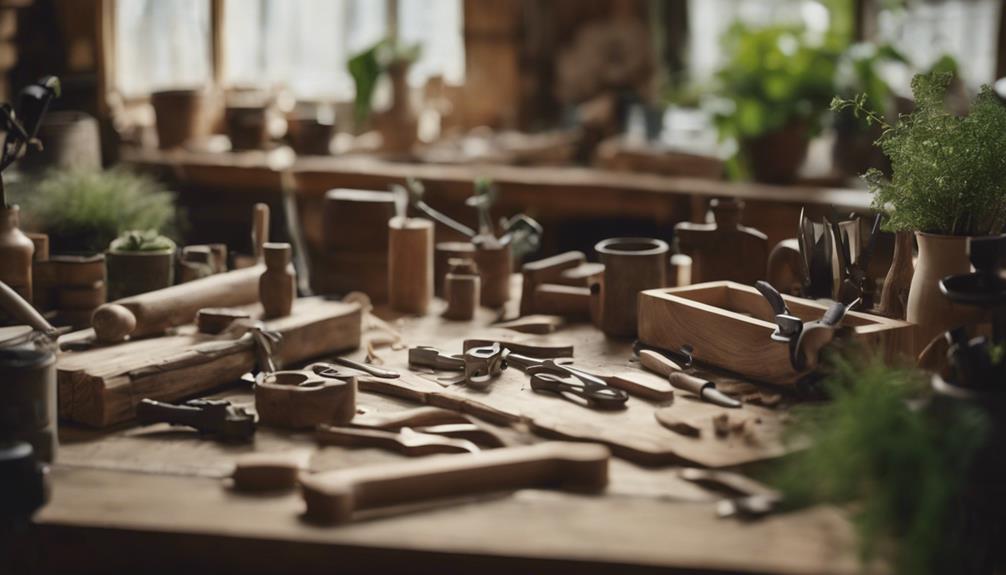
Turning our attention to repurposed wood tables, we discover another avenue where sustainability meets craftsmanship. By embracing reclaimed materials, we not only reduce waste but also give a second life to wood that possesses character and history. We've found that old floorboards, barn wood, and even discarded pallets can be transformed into beautiful, functional tables.
We start by sourcing our materials from local salvage yards or community postings, often stumbling upon wood that tells a story. It's important to inspect each piece for quality, ensuring it's free from rot and severe damage. We then clean and prepare the wood, carefully preserving its unique textures and patina.
Designing our tables, we focus on simplicity and functionality, allowing the natural beauty of the wood to stand out. We often opt for straightforward designs, such as farmhouse tables or minimalist coffee tables, which highlight the wood's imperfections and character.
Joining the pieces together, we use techniques that emphasize durability and stability. This might include traditional joinery methods that have stood the test of time. Each table we create isn't just a piece of furniture; it's a statement to the beauty of repurposing and the endless possibilities in reclaimed wood.
Finishing and Preservation Techniques
After creating a table from repurposed wood, it's important we focus on finishing and preservation techniques to guarantee its longevity and beauty. We've gathered some of the best methods to make sure your project stays as stunning as the day you finished it. These steps aren't just about aesthetics; they're about protecting your hard work from wear, tear, and the elements.
- *Sand the wood thoroughly.* Before any finishing touches, we need to sand the wood well. This removes any rough patches and prepares the surface for sealing.
- *Apply a wood sealant.* Using a high-quality sealant helps protect the wood from moisture and decay. It's an essential step we can't skip.
- *Choose an eco-friendly varnish.* For those of us looking to maintain an eco-friendly approach, there are plenty of green varnish options that don't compromise on quality or durability.
- *Consider a natural oil finish.* Oils like linseed or tung give the wood a beautiful, natural sheen and offer good protection against everyday use.
- *Regular maintenance is key.* We're in it for the long haul. Regularly checking the wood for signs of wear and applying touch-ups as needed will keep our table looking great for years to come.
Frequently Asked Questions
How Does the Use of Reclaimed Materials in Woodworking Projects Contribute to Environmental Sustainability?
We're often curious about how we can better protect our planet. By using reclaimed materials in our woodworking projects, we're reducing waste and conserving resources, making a significant contribution to environmental sustainability.
Can Reclaimed Wood Be Used for Projects Intended for Outdoor Use, and if So, What Additional Treatments Are Necessary?
We're wondering if we can use reclaimed wood for outdoor projects and what extra steps we'd need to take. Treating the wood for weather resistance and pests is vital to make sure it lasts outside.
Are There Any Legal Considerations or Restrictions When Sourcing Reclaimed Wood, Especially From Urban Areas or Demolition Sites?
We're wondering if there are any legal concerns or restrictions when we're getting reclaimed wood from city areas or demolition sites. It's important to know so we don't accidentally break any laws or regulations.
How Can One Verify the Safety of Reclaimed Wood, Particularly in Avoiding Materials Treated With Harmful Chemicals or Containing Hazardous Materials Like Lead Paint?
We're exploring how to make sure the reclaimed wood we find is safe, especially avoiding any that's been treated with harmful chemicals or has lead paint. It's essential to verify its safety before use in our projects.
What Are Some Innovative Tools or Techniques Specific to Working With Reclaimed Wood That Differ From Traditional Woodworking Practices?
We're exploring unique tools and techniques that set reclaimed wood projects apart. These include using metal detectors for nail removal and employing specialized planes for uneven surfaces, ensuring we handle the material's quirks effectively.


