

We've witnessed a wonderful wave of woodworking wonders, where creativity collides with reclaimed materials to transform trash into treasure. From rustic wooden coasters to vintage picture frames, the possibilities are practically endless. Our journey through handcrafted floating shelves, reclaimed wood planters, and upcycled coffee tables reveals not just the beauty of repurposing but also the satisfaction of crafting something unique.
But the real magic lies in the stories these materials tell and how they're woven into new narratives. We're on the cusp of exploring more, including a wooden pallet bench and a barn door transformation that promise to inspire and intrigue. Why stop here when each project offers a chance to infuse your space with a piece of history and a dash of personality?
Key Takeaways
- Reclaimed wood projects offer a sustainable way to reduce waste and enhance home decor.
- DIY woodworking nurtures creativity, providing a personalized touch to each creation.
- Upcycling materials into functional art pieces fosters environmental responsibility and conservation.
- Engaging in reclaimed wood projects strengthens community connections and promotes local craftsmanship.
Rustic Wooden Coasters
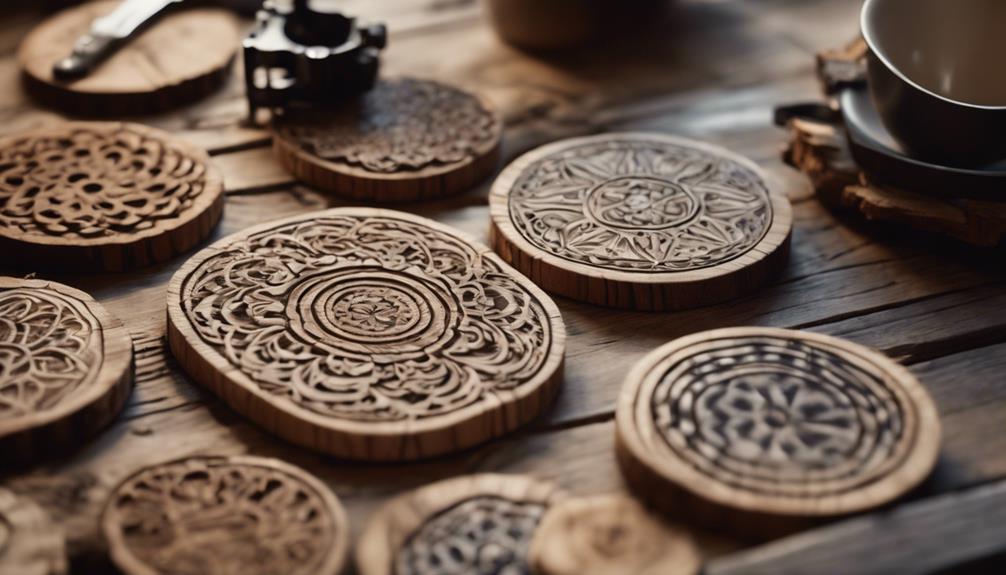
Let's explore how we can create rustic wooden coasters from reclaimed materials, turning old wood into charming, functional art. First off, we'll need to hunt for wood that's got character. Think aged fencing, barn wood, or old pallets – these materials aren't only eco-friendly but also add a unique touch to our project.
Once we've got our wood, we'll measure and cut it into squares or circles, depending on our preference. We're aiming for thickness that's not too thin to avoid warping, yet not too thick to keep them practical as coasters. A hand saw or a power saw can do the job, but let's remember to sand the edges to prevent splinters.
Next up, it's time to bring out the beauty of the wood. We'll gently sand the surface and then apply a coat of food-safe sealant. This preserves the wood's natural look while protecting it from moisture – essential for a coaster's durability.
Vintage Picture Frames
Moving on to our next project, we'll tackle creating vintage picture frames from reclaimed wood, offering a perfect blend of history and style to any photograph or artwork. This endeavor not only breathes new life into old materials but also adds a unique touch to your décor, proving that sustainability and beauty can go hand in hand.
Crafting these frames ourselves allows us to customize the size, finish, and overall look to perfectly match our interior design vision. Plus, using reclaimed wood means each piece comes with its own story, texture, and character, making our frames truly one-of-a-kind.
To hook you into trying this project, consider these compelling reasons:
- Eco-Friendly Choice: Utilizing reclaimed wood reduces waste and the demand for new lumber, making it an environmentally conscious decision.
- Cost-Effective: Often, you can source reclaimed wood at a lower cost than new materials, or even for free, keeping your project budget-friendly.
- Personalization: Creating your own frames allows for endless customization options, from size and shape to color and finish, ensuring they perfectly complement your home's aesthetic.
Engaging in such a project not only enhances your living space but also offers a fulfilling experience as you transform discarded wood into cherished home decor.
Handcrafted Floating Shelves
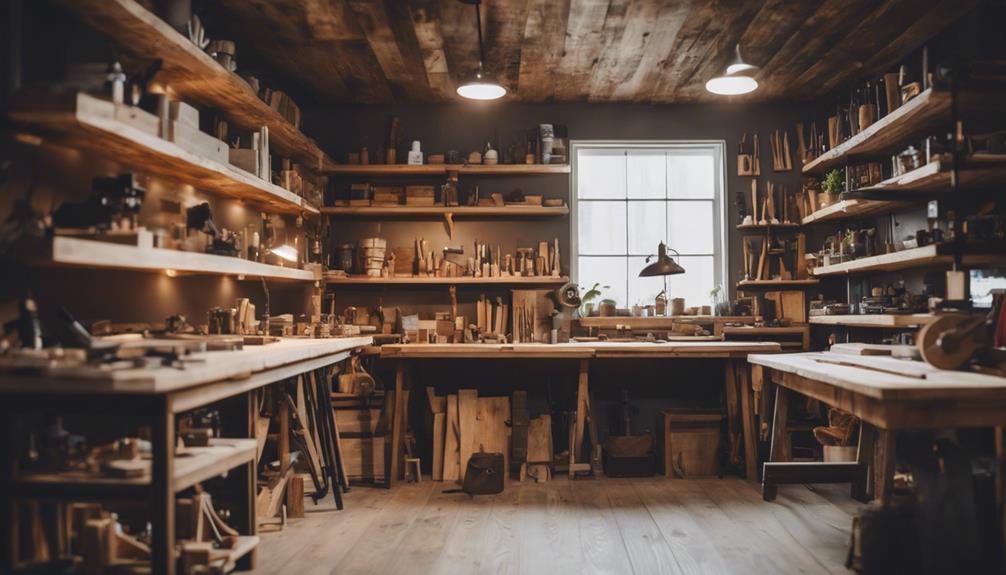
Building on our journey of repurposing reclaimed materials, our next adventure involves creating handcrafted floating shelves that not only add a rustic charm to our spaces but also serve as functional storage solutions. We've found that these shelves are perfect for showcasing our favorite items without taking up precious floor space.
To get started, we source reclaimed wood with history and character, ensuring each piece tells its own story. We then cut, sand, and treat the wood to preserve its natural beauty and durability. Installing the shelves involves securing hidden brackets to the wall, creating the proof that they're floating.
Here's a quick guide to spark inspiration:
| Material | Tool | Finishing Touch |
|---|---|---|
| Reclaimed wood | Saw | Sandpaper |
| Metal brackets | Drill | Wood stain |
| Screws | Level | Sealant |
| Measuring tape | Screwdriver | Paintbrush |
| Spirit level | Sander | Cloth |
These shelves aren't just practical; they're a confirmation of sustainability, transforming old materials into stylish, functional pieces. We're passionate about giving these materials a second life, blending history with modern aesthetics. Whether for books, plants, or knick-knacks, floating shelves crafted from reclaimed wood add a unique touch to any room.
Reclaimed Wood Planters
Continuing our exploration of repurposing reclaimed materials, we now turn our attention to crafting unique reclaimed wood planters that breathe new life into any space. Using old wood not only gives these planters a rustic charm but also contributes to sustainability by reducing waste. We've discovered that adding a personal touch to our homes or gardens with these planters not only enhances the aesthetic appeal but also creates a sense of accomplishment.
Here are three compelling reasons why you should consider creating your own reclaimed wood planters:
- Eco-Friendly: Utilizing reclaimed wood helps in reducing the demand for new lumber, thereby conserving forests and reducing landfill waste.
- Aesthetic Appeal: Each piece of reclaimed wood carries its own history, adding character and a vintage charm that can't be replicated by new materials.
- Versatility: Reclaimed wood planters can be customized to fit any space or style, from modern to traditional, making them perfect for any setting.
We've found that these planters aren't just containers for plants; they're a statement of creativity and environmental responsibility. Let's embrace the beauty of reclaimed materials and transform our spaces with these one-of-a-kind wooden planters.
Upcycled Coffee Table

Next, we'll explore crafting an upcycled coffee table, transforming old materials into a stylish and functional centerpiece for your living space.
First, we search for reclaimed wood, which can come from old furniture, barn wood, or leftover construction materials. We're always amazed at the character and history embedded in these pieces. After gathering our materials, we measure and cut the wood to our desired coffee table size. It's important to sand the wood thoroughly to prevent splinters and to bring out its natural beauty.
Next, we focus on the base. We prefer using metal legs for a modern touch, which we attach securely to the wood top. If you're going for a more rustic vibe, repurposed wooden legs or even stacked pallets (though not the focus of this project) can work wonders.
We finish by sealing the wood with a clear varnish to protect it and to enhance its natural patterns and colors. This step guarantees our upcycled coffee table isn't just visually appealing but also durable.
Through this project, we give new life to old materials, creating a unique coffee table that's both a conversation piece and a statement to sustainable living.
Wooden Pallet Bench
Shifting our focus to the garden, we're turning reclaimed wooden pallets into a charming and functional bench that's perfect for any outdoor space. This project isn't just about creating a piece of furniture; it's about transforming the neglected into the needed while adding a touch of rustic charm to our surroundings.
Creating a wooden pallet bench involves a few key steps that guarantee durability and comfort. First, we're selecting the best pallets, looking for those without major damages or stains. Next, it's time to get our hands dirty. We're cutting, sanding, and assembling these pallets into a bench structure that's both sturdy and aesthetically pleasing. Finally, a coat of weather-resistant paint or stain brings out the beauty of the wood and protects it from the elements.
Here are three reasons why this project hooks us:
- Sustainability: We're giving a second life to materials that would otherwise be discarded.
- Customization: There's endless room for creativity in design and finish.
- Cost-Effectiveness: Besides the satisfaction of DIY, we're saving money by repurposing materials.
This wooden pallet bench project embodies the essence of upcycling—turning the overlooked into something valuable and cherished.
Barn Door Transformation
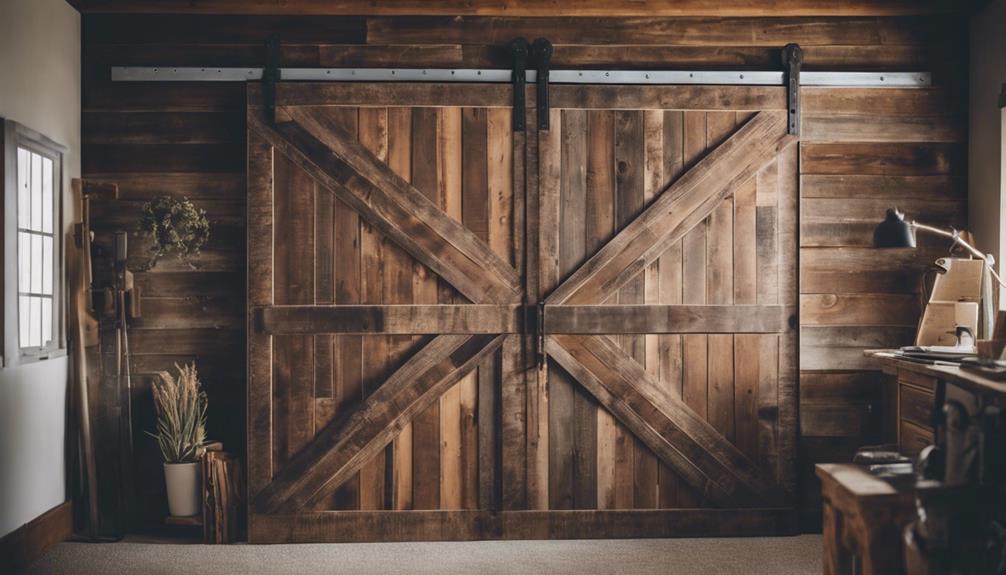
We're now turning our attention to an exciting project: transforming an old barn door into a striking piece of home decor. This venture not only breathes new life into a piece of history but also adds a rustic charm to our living space. We've gathered the necessary tools and set our sights on making this transformation a reality.
First, we clean the door, ensuring it's free of dirt and debris. It's surprising how much grime can accumulate over the years, but a good scrub brings out the wood's natural beauty. Next, we assess the door for any needed repairs. We're careful to preserve its character, filling in holes and fixing splits without erasing the marks that tell its story.
Then, it's time for a finish. We opt for a clear varnish that enhances the wood's grain and protects it for years to come. The final step is to install modern hardware that complements its rustic appeal, making it functional for everyday use.
We've now turned an old barn door into a conversation piece that adds warmth and history to our home. It's a demonstration to the idea that with a bit of creativity, we can repurpose the old into something both beautiful and useful.
Frequently Asked Questions
How Do I Ensure the Reclaimed Wood Is Safe and Free From Harmful Chemicals Before Starting My DIY Woodworking Project?
We'll start our project by checking the wood's safety. We'll look for any stamps or signs of chemical treatment and sand it down. We might also do a smell test to make sure it's free from harmful chemicals.
Can I Use Different Types of Reclaimed Wood Together in a Single Project, and How Does That Affect the Project's Aesthetic?
We can definitely mix different types of reclaimed wood in one project. It adds a unique aesthetic, creating a rich tapestry of textures and colors that can make our work stand out beautifully.
What Are the Best Tools for Beginners to Use When Working With Reclaimed Materials for These Types of Projects?
We've found that for beginners, starting with basic tools like a hammer, saw, drill, and sander is best. They're versatile and user-friendly, making it easier to immerse oneself in projects and achieve great results.
How Do I Protect My Finished Reclaimed Wood Projects From Outdoor Elements if I Choose to Use Them Outside?
We're looking to safeguard our outdoor wood creations from the elements. By applying a weather-resistant finish or sealant, we can protect our projects, ensuring they withstand rain, sun, and wind for years to come.
Are There Any Legal Considerations or Permissions Needed When Sourcing Reclaimed Wood for DIY Woodworking Projects?
We've wondered if we need any permissions to gather reclaimed wood for our projects. Turns out, we should check local regulations and make sure we're not taking wood from protected or private properties without consent.


